Elevation Foods is marketing fully cooked sous vide potatoes as a solution for grocery delis and foodservice kitchens seeking to balance prep efficiency with quality and presentation.
The Efficiency Pitch The sous vide potatoes arrive fully cooked, requiring only finishing steps before service.
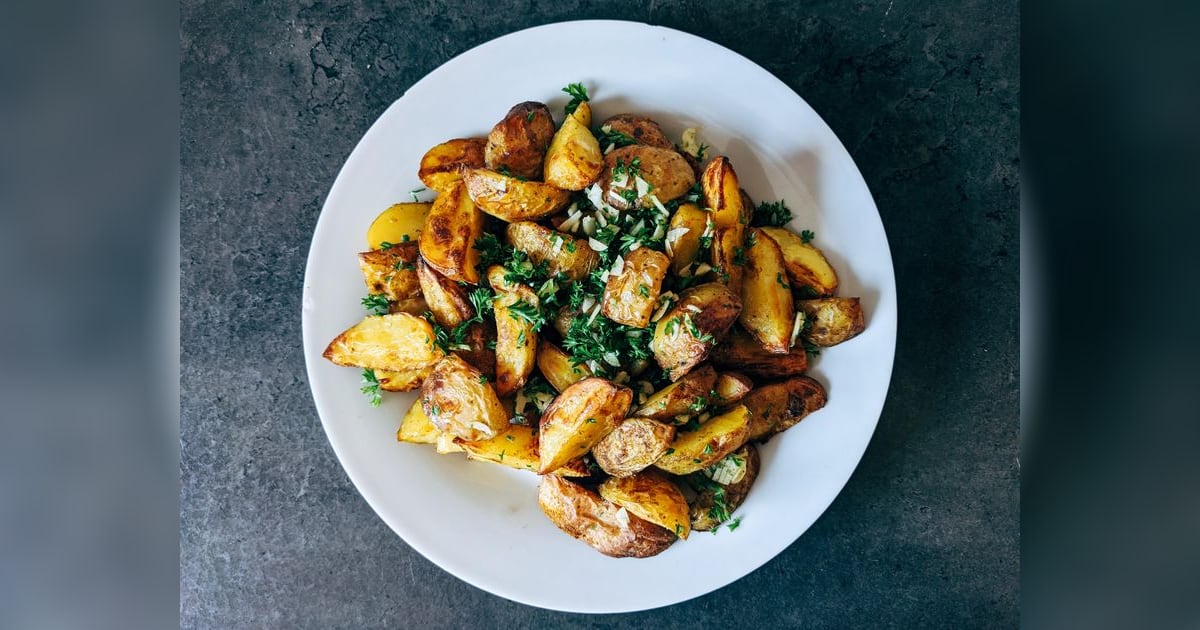
This approach is designed to reduce labor while preserving texture and flavor—crisp edges, creamy centers, or golden tops that make a plate memorable.
Au Gratin as Test Case The company highlights potatoes au gratin as a prime example.
Elevation Foods cooks the dish sous vide in cream and cheese, leaving the final finish to the kitchen. This model allows operators to control how the dish is plated and styled without handling time-intensive slicing, layering, and baking.
Kitchen Control Retained "A prepared ingredient can take on a different character on each menu through seasonings, garnishes and the food served alongside it," according to the company. That flexibility—whether the potatoes are served as slices alongside a roast, wedges with a casual meal, or as a mashed base—lets kitchens adapt the ingredient to their specific menu without starting from raw potatoes.
Why It Matters
For delis managing peak-hour volume and restaurants balancing labor constraints, pre-cooked ingredients that retain finishing flexibility offer a practical middle ground between scratch cooking and fully commoditized sides. The test, according to Elevation Foods, is whether taste justifies the convenience claim.
For more insights and trends in the food and beverage sector, check out more articles in The Food & Beverage Magazine family of publications.
Written by FBM Publications Editors
Frequently Asked Questions
What exactly is Elevation Foods' sous vide potato product, and how does it arrive at my kitchen?
Elevation Foods ships fully cooked sous vide potatoes—including prepared dishes like potatoes au gratin—that require only finishing work before service. You're getting a par-cooked ingredient, not raw product, which means your line cooks finish with searing, broiling, or plating rather than handling the 45-minute bake cycle from scratch.
How much labor time am I actually saving compared to making potatoes from raw?
You're eliminating peeling, slicing, layering, and the bulk of cooking time. For a deli running 150+ au gratin portions during lunch rush, that's 3-4 hours of prep labor removed from your morning window. Your crew focuses on finishing and plating, not standing over the oven.
Can I customize the final dish, or am I locked into Elevation Foods' recipe?
You retain full menu control. The sous vide potatoes serve as your base—slice them for a steakhouse side, mash them for a casual plate, top with different proteins or garnishes, or season to your concept. The company positions this as a flexible ingredient, not a finished dish you're committed to selling as-is.
What's the shelf life and storage requirement for these products?
The article doesn't specify exact shelf life or temperature requirements, but sous vide products typically hold 14-21 days refrigerated in vacuum. You'll need standard cold storage—this isn't a shelf-stable item sitting at room temperature in your back.
How does quality compare to fresh-made potatoes, and what's the price premium?
Elevation Foods claims the texture and flavor justify the convenience—crisp edges and creamy centers preserved through sous vide—but the article doesn't cite pricing or a cost-per-portion comparison to your current supplier. Your test: whether your customers taste the difference and whether the labor savings offset ingredient cost.