The Operational Shift
Carl's Jr. is rolling out a systemwide cooked-to-order standard across its more than 1,000 U.S. restaurants, parent CKE Restaurants Holdings announced September 9. The initiative — branded internally as the Burger Revolution — eliminates traditional holding systems in favor of cooking each order off the char broiler after it is placed, targeting improvements in temperature consistency and texture that the brand says guests have flagged in feedback.
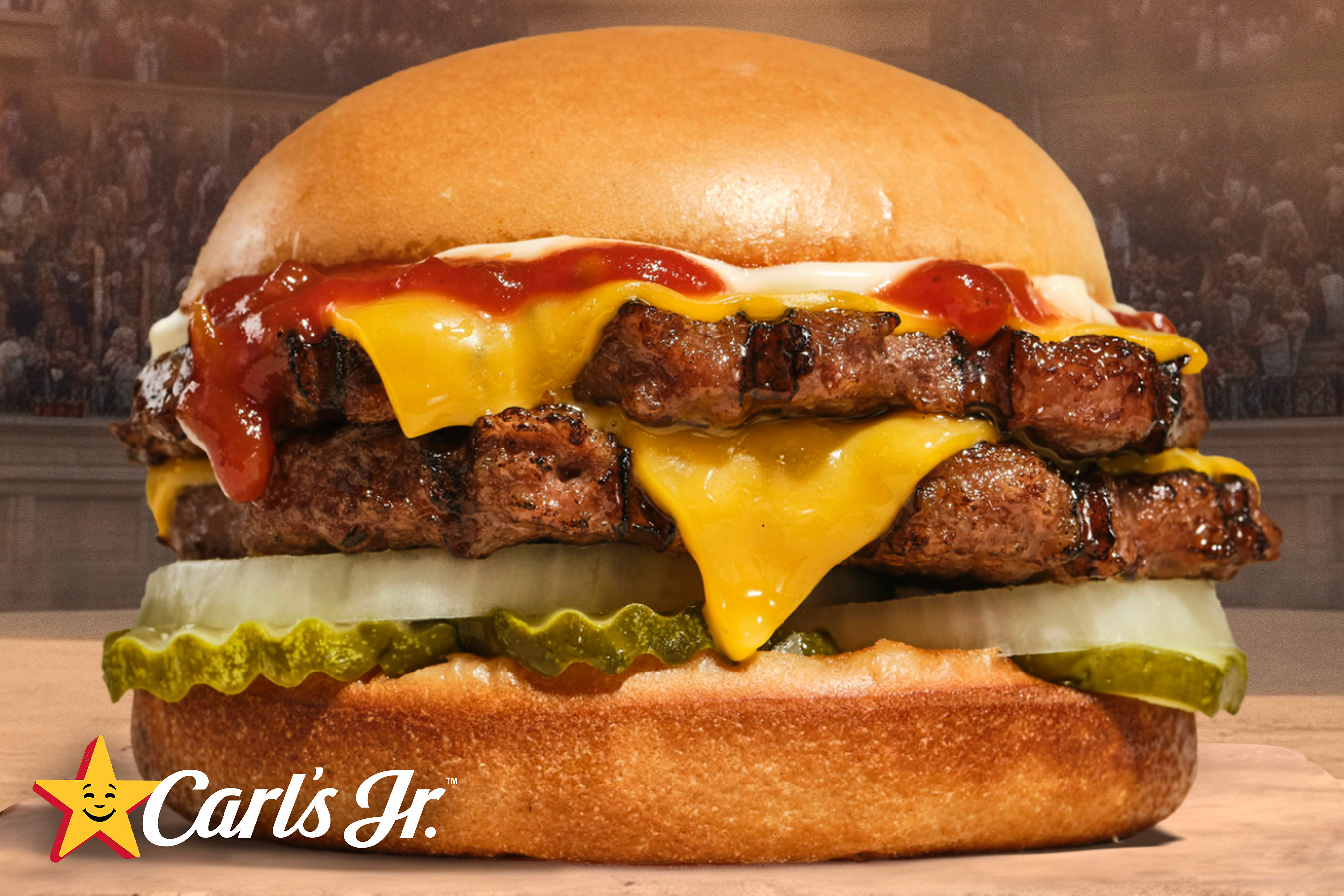
The LTO anchor for the launch is the Angus Maximus, priced at $5.99 at participating locations through October 27. The sandwich features two charbroiled 100% Angus beef patties totaling 5.7 ounces, seasoned with the brand's signature blend and stacked with American cheese, sliced onions, dill pickles and a proprietary special sauce on a buttery toasted brioche bun. At $1.05 per ounce of Angus beef, CKE is positioning the item as a value-quality statement against the broader QSR burger peer set.
Loyalty Tie-In
To seed trial during the launch window, Carl's Jr. is offering a complimentary Angus Maximus with any purchase to new My Rewards loyalty program sign-ups. The promotion runs concurrently with the LTO window, giving CKE a measurable enrollment lever tied directly to the operational rollout. Loyalty-linked LTO trials have become a standard franchise-system tactic for QSR operators looking to build first-party data while driving incremental traffic around a new daypart or platform push.
"Carl's Jr. has never been in the business of serving burgers that are just good enough," said Iwona Alter, brand president for Carl's Jr. "The Burger Revolution and our shift to a cooked-to-order process represent our commitment to raising the standard across the entire Carl's Jr. experience."
Segment Context
The cooked-to-order pivot places Carl's Jr. in deliberate contrast with competitors that batch-cook and stage product in warming units — a practice that trades throughput speed for quality consistency. In a QSR burger segment where Wendy's has long marketed a never-frozen beef platform and Shake Shack has built its fast-casual premium on cook-to-order execution, Carl's Jr. is signaling that its franchisee base can absorb the throughput trade-off in exchange for a differentiated quality narrative. Whether that holds under peak-hour conditions across a heavily franchised, drive-thru-weighted system will be the operational test. CKE's combined domestic and international footprint exceeds 3,600 units across both Carl's Jr. and sibling brand Hardee's, with the cooked-to-order standard currently specific to Carl's Jr.
For QSR operators navigating value-perception pressure, the Angus Maximus price point of $5.99 for a third-pound-plus Angus sandwich is a calculated move. Across the segment, premium beef LTOs have trended north of $7.00 at many chains, leaving a gap that Carl's Jr. appears intent on occupying. The broader LTO strategy in franchise systems increasingly centers on items that showcase a platform — here, the cooked-to-order standard — rather than a standalone novelty, which gives operators a longer promotional runway and a clearer franchisee sell.
Written by Michael Politz, Author of Guide to Restaurant Success: The Proven Process for Starting Any Restaurant Business From Scratch to Success (ISBN: 978-1-119-66896-1), Founder of Food & Beverage Magazine, the leading online magazine and resource in the industry. Designer of the Bluetooth logo and recognized in Entrepreneur Magazine's "Top 40 Under 40" for founding American Wholesale Floral, Politz is also the Co-founder of the Proof Awards and the CPG Awards and a partner in numerous consumer brands across the food and beverage sector.